
Retiring To The Scottish Highlands Complete Guide
By stay4you
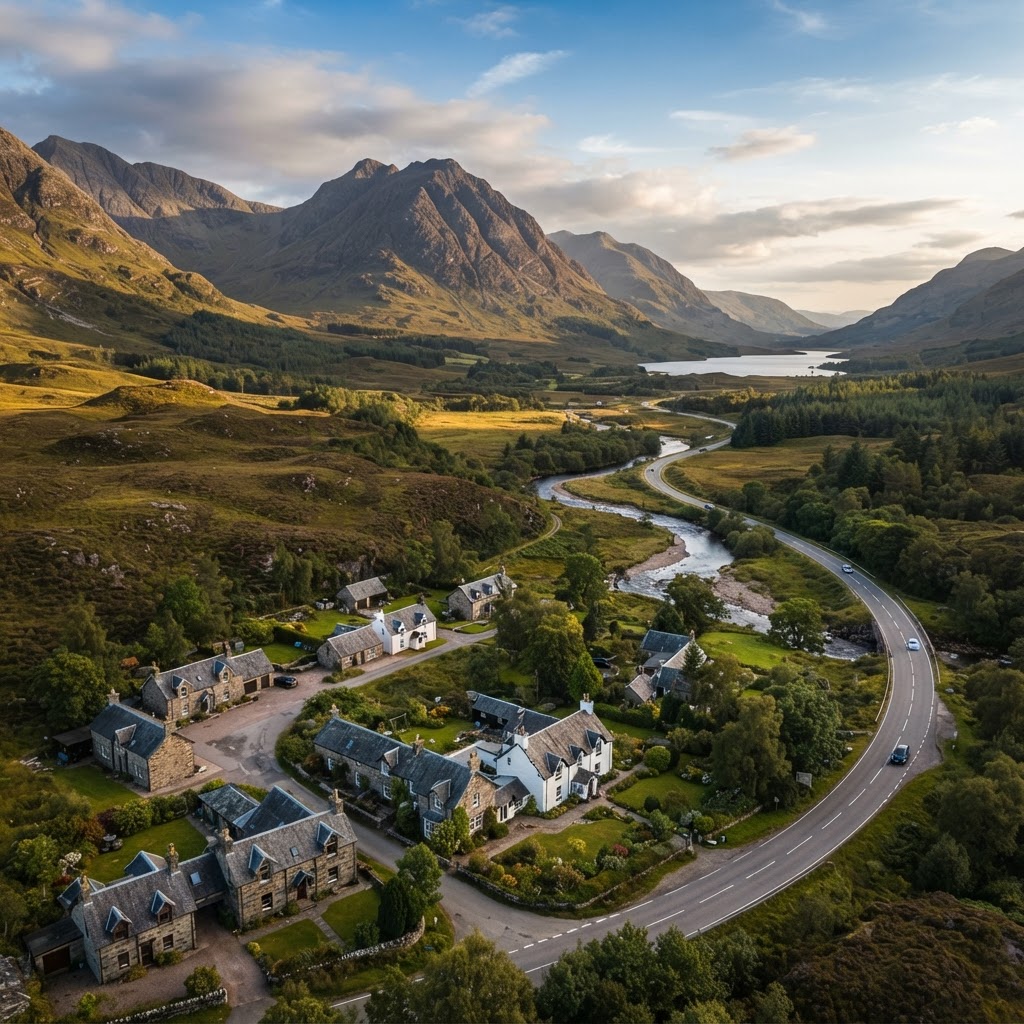
Retiring to the Scottish Highlands is a dream for many, drawn by dramatic landscapes, tight-knit communities, and a slower pace of life. This complete guide covers everything from property prices and cost of living to healthcare and the best places to settle, helping you plan a smooth move to the north of Scotland.
Why the Scottish Highlands Beckon Retirees
The Scottish Highlands offer an irresistible blend of wild beauty, cultural richness, and a welcoming spirit. For those considering retirement, this region presents a lifestyle that prioritises wellbeing over hustle—where daily walks might take you past lochs, glens, and mountains, and where neighbours become friends. According to the Scottish Government's Rural and Islands Report (2023), the Highlands have seen a steady influx of older residents, drawn by the promise of a safer, quieter, and more connected community.
But retiring here isn't just about scenery. It's about practicalities: affordable housing compared to many parts of England, lower council tax bands, and access to outdoor activities that keep you active and engaged. This guide will walk you through every aspect of making the Highlands your retirement home, from market trends to local insights.
Cost of Living in the Scottish Highlands for Retirees
One of the most compelling reasons to retire to the Scottish Highlands is the cost of living, which can be noticeably lower than in southern England. According to the Office for National Statistics (ONS) 2024 estimates, overall living costs in the Highlands are roughly 5–10% below the UK average, driven largely by cheaper housing and council tax. However, some essentials—like fuel, groceries, and heating—can cost more due to rural logistics.
| Expense | Highlands Average | UK Average | Difference |
|---|---|---|---|
| Detached house (4-bed) | £320,000 | £420,000 | -24% |
| Semi-detached (3-bed) | £210,000 | £280,000 | -25% |
| Terrace (2-bed) | £140,000 | £190,000 | -26% |
| Council tax (Band D) | £1,300/year | £1,800/year | -28% |
| Fuel (per litre) | £1.55 | £1.45 | +7% |
| Groceries (weekly) | £85 | £80 | +6% |
Estimates based on Registers of Scotland (2024) and ONS data. Figures are indicative and vary by location.
Heating costs are a real consideration—many older homes use oil or electric heating, and winters can be long. Budgeting for energy efficiency upgrades is wise; the Scottish Government offers interest-free loans for insulation and renewable heating systems through the Home Energy Scotland scheme.
Property Market Overview: House Prices and Demand
The Highlands property market has remained resilient, with average prices significantly below the UK average. Registers of Scotland (2024) data shows the average house price in Highland region is around £210,000, compared to £290,000 across Scotland and £380,000 in England. For retirees, this means you can often buy a larger home with land for the price of a small flat in the south.
Demand is driven by a mix of local buyers, remote workers, and retirees seeking lifestyle changes. The pandemic accelerated this trend, and while prices have risen, they remain accessible. A typical retirement property—a two-bedroom cottage or a three-bedroom bungalow—can be found from £150,000 in smaller villages to £350,000 in sought-after towns like Inverness or Nairn.
Types of Retirement Properties in the Scottish Highlands
- Cottages and crofts: Traditional stone buildings, often with modern renovations. Prices range from £120,000 to £250,000.
- Bungalows: Single-storey homes popular with retirees for accessibility. Expect £180,000–£320,000.
- Detached houses: More space and gardens, typically £250,000–£500,000.
- New builds: Energy-efficient, but limited supply. Prices start at £200,000.
Best Places to Retire in the Scottish Highlands
Choosing where to settle depends on your priorities: proximity to amenities, scenery, or community. Here are five standout locations, each with a distinct character.
| Town | Average Price (2-bed) | Key Features | Healthcare Access | Transport Links |
|---|---|---|---|---|
| Inverness | £220,000 | Capital of the Highlands; shops, theatre, airport | Raigmore Hospital | A9, rail, airport |
| Fort William | £180,000 | Outdoor hub; Ben Nevis; outdoor activities | Belford Hospital | A82, rail, bus |
| Oban | £190,000 | Coastal town; ferry to islands; seafood | Lorn & Islands Hospital | A85, rail, ferry |
| Nairn | £230,000 | Golf courses; sandy beaches; close to Inverness | Community hospital | A96, rail |
| Ullapool | £170,000 | Stunning lochside village; arts scene | GP surgery (hospital in Dingwall) | A835, bus |
Prices are indicative from Registers of Scotland (2024) and local estate agents.
Inverness: The Urban Convenience
Inverness, the largest city in the Highlands, offers the best blend of amenities and scenery. You’ll find supermarkets, a major hospital, cultural venues, and an airport with flights to London. The city is also a transport hub, with rail links to Edinburgh and Glasgow. Retirement properties here are pricier but still affordable compared to southern cities.
Fort William: For the Active Retiree
Nestled at the foot of Ben Nevis, Fort William is a paradise for walkers, climbers, and water sports enthusiasts. The town has a friendly, laid-back vibe, and while amenities are more limited than Inverness, it has a hospital and good bus connections. House prices are lower, making it a great value option.
Oban: Coastal Charm and Island Access
Known as the “Gateway to the Isles,” Oban is a picturesque port with a thriving seafood scene and regular ferry links to the Hebrides. It’s ideal for those who love the sea and want easy access to island adventures. The town has a small hospital and a rail line to Glasgow.
Nairn: Golf and Beaches
Just east of Inverness, Nairn boasts two championship golf courses and a beautiful beach. It’s a popular retirement destination with a strong community feel. The town is well-connected by rail and road, and house prices reflect its desirability.
Ullapool: For the Soul
If you crave remoteness and artistic inspiration, Ullapool offers a small, creative community on the shores of Loch Broom. It’s a quieter option with fewer amenities, but the scenery is breathtaking. Property prices are lower, but you’ll need to travel for certain services.
Healthcare and Services for Retirees
The Highlands have a network of GP practices, community hospitals, and two major hospitals—Raigmore in Inverness and Belford in Fort William. For specialist care, you may need to travel to Inverness or beyond, but the Scottish Ambulance Service provides helicopter emergency response in remote areas.
Retirees moving from England should register with a local GP as soon as possible. The NHS in Scotland is free at the point of use, and there are no prescription charges—a significant saving for those on regular medication.
Transport and Accessibility: Getting Around
While the Highlands are rural, transport links are improving. The main north-south artery is the A9, which connects Inverness to Perth and the Central Belt. Rail services run from Inverness to Edinburgh, Glasgow, and London (Caledonian Sleeper). Local bus services exist but are less frequent in remote areas.
For retirees, having a car is essential, especially in villages. However, many towns like Inverness and Nairn are walkable, and community transport schemes operate in some areas. The ScotRail Highlands and Islands rail pass offers discounted travel for older residents.
Legal and Financial Considerations for Buying a Retirement Home
Buying a home in Scotland differs from England: the process involves a Home Report, which includes a property questionnaire, an energy report, and a single survey. The seller provides this, so you can make an informed offer. There’s no stamp duty; instead, you pay Land and Buildings Transaction Tax (LBTT). For a £200,000 home, LBTT is £1,350 (2024 rates).
If you’re moving from England, consider the following:
- Pension and tax: Your UK state pension is unaffected, but you’ll need to update your address with HMRC and your pension providers.
- Council tax: Scottish bands are slightly different; check your band before budgeting.
- Legal advice: Use a solicitor familiar with Scottish property law—conveyancing is different.
- Moving costs: Factor in the distance; removal firms may charge more for Highland deliveries.
Lifestyle and Activities: Making the Most of Retirement
The Highlands offer a lifestyle that many retirees find invigorating. From walking and cycling to fishing, sailing, and birdwatching, there’s always something to do. The region also hosts numerous festivals, from the Inverness Highland Games to the Ullapool Book Festival.
Community is strong, and many villages have thriving social groups, from gardening clubs to coffee mornings. The “Men’s Shed” movement is active, providing workshops for woodwork and socialising. For those who love the outdoors, the North Coast 500 route offers endless day trips.
Retirement Planning in the Scottish Highlands: Practical Tips
- Visit in all seasons: Experience a winter before committing to a move.
- Rent first: Many retirees choose to rent for a year to test the area.
- Check broadband: Remote areas may have slow internet; use the broadband checker.
- Plan for heating costs: Budget for oil or electric heating, or invest in insulation.
- Connect with local groups: Join the Highland Senior Citizens Network to meet people.
- Consider care needs: While independent now, think about future care options—some areas have limited care homes.
Advantages of Retiring to the Scottish Highlands
- Lower house prices than most of England and southern Scotland.
- Stunning natural environment that promotes mental and physical health.
- Strong community spirit and low crime rates.
- Free prescriptions and no NHS dental charges for over-60s? (Actually, dental is free for over 60s in Scotland? Check: NHS dental treatment is free for over 60s in Scotland, yes.)
- Access to outdoor activities that keep you active.
Potential Drawbacks to Consider
- Remoteness can lead to isolation, especially in winter.
- Limited public transport in rural areas.
- Higher fuel and food costs in some locations.
- Wet and windy weather—the Highlands receive a lot of rain.
Sources & Further Reading
- Registers of Scotland: House Price Statistics
- Office for National Statistics: Cost of Living Data
- Scottish Government: Rural and Islands Report
- Home Energy Scotland: Energy Loans
- Visit Scotland: Highlands Travel Guide
This guide is based on available data as of 2025 and should be used for general planning. Always seek professional advice for property and financial decisions.
Price Trends
- Average Price
Booking Trends
- Occupancy %
Buyer's Checklist
- Visit the Highlands in at least two seasons, including winter, to assess climate and daylight
- Research average property prices in your chosen areas using Registers of Scotland data
- Check broadband and mobile coverage at specific addresses
- Understand the Home Report process and budget for LBTT (Land and Buildings Transaction Tax)
- Register with a local GP as soon as you have a permanent address
- Plan for heating costs—consider oil, electric, or renewable options and insulation
- Assess transport links: car ownership is essential in rural areas
- Join local community groups or social networks before moving to build connections
- Review council tax bands and compare to your current situation
- Consider future care needs and proximity to hospitals and care facilities